Learn Barbering Step by Step: Complete Guide for Beginners
Discover how to learn barbering step by step from scratch. Complete guide with basic techniques, essential tools, recommended courses and professional tips to become a barber.
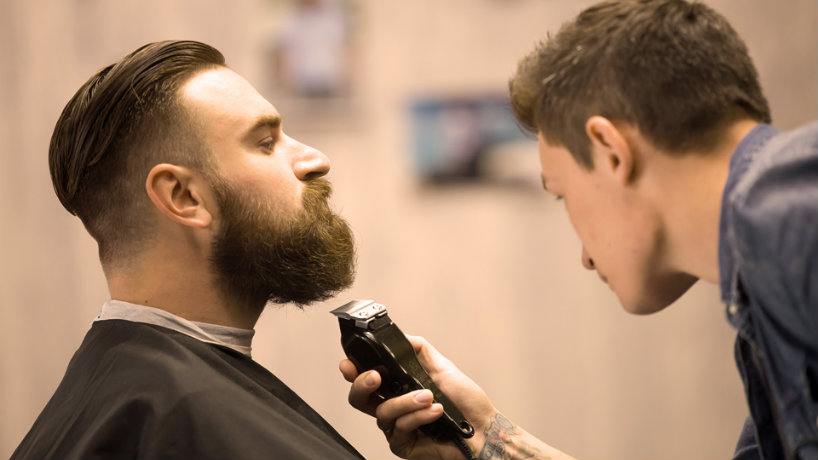
If you're interested in learning barbering step by step, you've come to the right place. Becoming a professional barber requires dedication, constant practice, and knowledge of fundamental techniques. This complete guide will take you from basic concepts to advanced techniques, providing everything you need to start your career in barbering.
The art of barbering combines technical skills with creativity and attention to detail. Becoming a barber will allow you to master every aspect of the craft in a structured and effective way. Whether you want to work in an established barbershop or open your own business, this learning process will prepare you for success.
Why Learn Barbering?
Barbering is a profession with great demand and growth potential. Studying barbering offers you:
- Stable job opportunities: Barbers are always in demand
- Flexibility: You can work different hours and locations
- Creativity: Each cut is an opportunity for artistic expression
- Good income: Professional barbers can earn well
- Independence: Possibility of opening your own business
- Personal satisfaction: Seeing satisfied clients with your work
Step 1: Know the Essential Tools
Before you start your barbering training, it's essential to know the basic tools you'll need:
Cutting Tools
- Clippers: Different guards (1, 2, 3, 4, etc.) for different lengths
- Professional scissors: For precision cuts and texturizing
- Razors: For fine finishes and shaves
- Combs: Different types for combing and guiding the cut
- Straight razor: For traditional shaves
Styling Tools
- Hair dryer: For shaping and volume
- Flat iron: For straight styles
- Styling products: Gels, waxes, pomades
- Hairspray: To maintain the style
Basic Equipment
- Barber chair: Adjustable and comfortable
- Large mirror: So the client can see the result
- Work table: To organize tools
- Towels and capes: To protect the client
Step 2: Learn Basic Cutting Techniques
To become a professional barber, you must master the fundamental techniques:
Fade Technique
The fade is one of the most popular techniques. Basic steps:
- Start with the longest guard on top
- Gradually reduce the guard size
- Create a smooth transition between different lengths
- Use the razor for a perfect finish on the neck and temples
- Check the result from different angles
Scissor Cutting Technique
Scissor cutting requires precision and patience:
- Keep scissors always sharp
- Use the comb to guide the hair
- Cut in small sections
- Constantly check the length
- Combine with texturizing techniques
Clipper Cutting Technique
Mastering the clipper is essential in your barbering training:
- Keep the clipper in good condition
- Use fluid and controlled movements
- Don't press too hard against the scalp
- Work against hair growth for better results
- Clean the clipper after each use
Step 3: Study the Most Popular Cut Styles
Knowing the most in-demand styles is a fundamental part of your barbering education:
Classic Cuts
- Classic short: Traditional and professional style
- Undercut: Long on top, short on the sides
- Pompadour: Volume on top
- Quiff: Similar to pompadour but more modern
Modern Cuts
- Fade: Smooth fade from short to long
- Buzz cut: Very short and uniform cut
- Textured: Cut with volume and movement
- Mullet: Short in front, long in back
Step 4: Master the Art of Shaving
Traditional shaving is an advanced skill you should include in your learning process:
Client Preparation
- Apply warm towel to open pores
- Use quality shaving cream
- Prepare the razor correctly
- Explain the process to the client
Shaving Technique
- Keep the razor at a 30-degree angle
- Use short and controlled movements
- Follow the direction of hair growth
- Rinse the razor frequently
- Apply aftershave after shaving
Step 5: Practice with Models
Practice is essential when you decide to start barbering. Look for models to practice:
- Friends and family: Start with close people
- Practice models: Offer free or discounted cuts
- Mannequins: To practice basic techniques
- Photograph your work: Create a portfolio of your cuts
- Ask for feedback: Listen to opinions and improve
Step 6: Consider Formal Education
While studying barbering self-taught is possible, formal education has advantages:
Advantages of Barbering Courses
- Structured professional instruction
- Access to tools and equipment
- Recognized certification
- Professional network
- Supervised practice
- Preparation for licensing exams
Types of Programs
- Short courses: 3-6 months, focus on basic techniques
- Complete programs: 1-2 years, comprehensive training
- Online courses: Flexibility but less practice
- Specialized workshops: Specific techniques
Step 7: Get Your License or Certification
In many places, you need a license to practice as a barber. During your barbering training, research:
- Legal requirements in your country or region
- Certification process
- Theoretical and practical exams
- License renewal
- Liability insurance
Step 8: Develop Your Customer Service Skills
Being a good barber goes beyond cutting techniques. During your barbering education, develop:
Communication
- Active listening to client needs
- Ask clear questions about desired style
- Explain the process before starting
- Offer advice on hair care
- Maintain professional but friendly conversation
Time Management
- Organize your schedule efficiently
- Respect appointment times
- Leave time between appointments for cleaning
- Use management tools like Barberia Club to organize your appointments
Step 9: Build Your Portfolio
A solid portfolio is essential when barbering becomes your profession:
- Professional photography: Capture your best work
- Before and after: Show the transformation
- Variety of styles: Demonstrate versatility
- Social media: Share your work on Instagram, Facebook
- Website: Create your online presence
Step 10: Find Job Opportunities
Once you've completed your barbering training, it's time to look for work:
Employment Options
- Established barbershops: Learn from experienced barbers
- Unisex salons: Expand your opportunities
- Mobile barbershops: Flexible work
- Your own barbershop: Total independence
Job Search Tips
- Prepare a professional resume
- Bring your portfolio to interviews
- Show enthusiasm and willingness to learn
- Ask about growth opportunities
- Consider starting as an apprentice
Common Mistakes When Learning Barbering
When starting your barbering career, avoid these common mistakes:
- Skipping fundamentals: Master the basics before advancing
- Not practicing enough: Constant practice is key
- Neglecting tools: Keep everything clean and in good condition
- Not listening to the client: Communication is fundamental
- Giving up too soon: Becoming a barber takes time
- Not continuing to learn: The industry constantly evolves
Additional Resources to Learn Barbering
Complement your learning process with these resources:
YouTube Channels
- Cutting technique tutorials
- Tool reviews
- Tips from professional barbers
- Step-by-step demonstrations
Books and Magazines
- Barbering technical guides
- Industry specialized magazines
- Books on barbering history
- Advanced technique manuals
Online Communities
- Barber forums
- Social media groups
- Learning platforms
- Professional networks
Frequently Asked Questions about Learning Barbering
How long does it take to learn barbering step by step?
The time varies depending on the learning method. A formal course can take 6 months to 2 years. Studying self-taught may take longer, but with constant dedication, you can master the fundamentals in 6-12 months.
Do I need a license to be a barber?
It depends on your location. In many countries and states, a license or certification is required. Research the legal requirements in your area before starting to work professionally.
Can I learn barbering step by step without going to school?
Yes, it's possible to become a barber self-taught through tutorials, practice, and observation. However, formal education offers structure, certification, and access to professional tools.
What tools do I need to start learning barbering?
To begin your training, you need at least: clippers with guards, professional scissors, combs, razor, hair dryer, and basic styling products. You can start with a basic kit and expand as you progress.
How much does it cost to learn barbering?
Costs vary significantly. A formal course can cost between $1,000 and $15,000. Training to be a barber self-taught requires investing in tools (approximately $500-$2,000) and practice time.
Conclusion
Learning barbering step by step is an exciting journey that combines art, technique, and dedication. Start by mastering the fundamentals, practice constantly, and never stop learning. With patience and determination, you can become a successful professional barber.
Remember that every experienced barber started as a beginner. The key is constant practice, attention to detail, and passion for the craft. If you're ready to start your career in barbering, follow these steps and you'll be on the right path to success.
If you're a barber and need tools to manage your business, consider using Barberia Club, an app that helps you organize your appointments, manage clients, and grow your barbershop professionally.
Ready to start your barbering journey? Take the first step today and begin your barbering training. Your future as a professional barber is waiting for you.
Tags
Editorial Team
Barbería Club Team - Barbershop management experts with years of experience in the industry