What Is a Trimmer Used for in a Barbershop? Complete Guide
Find out what a trimmer is used for in a barbershop, how to use it correctly, how it differs from a clipper, and which one to choose. Complete guide for professional barbers.
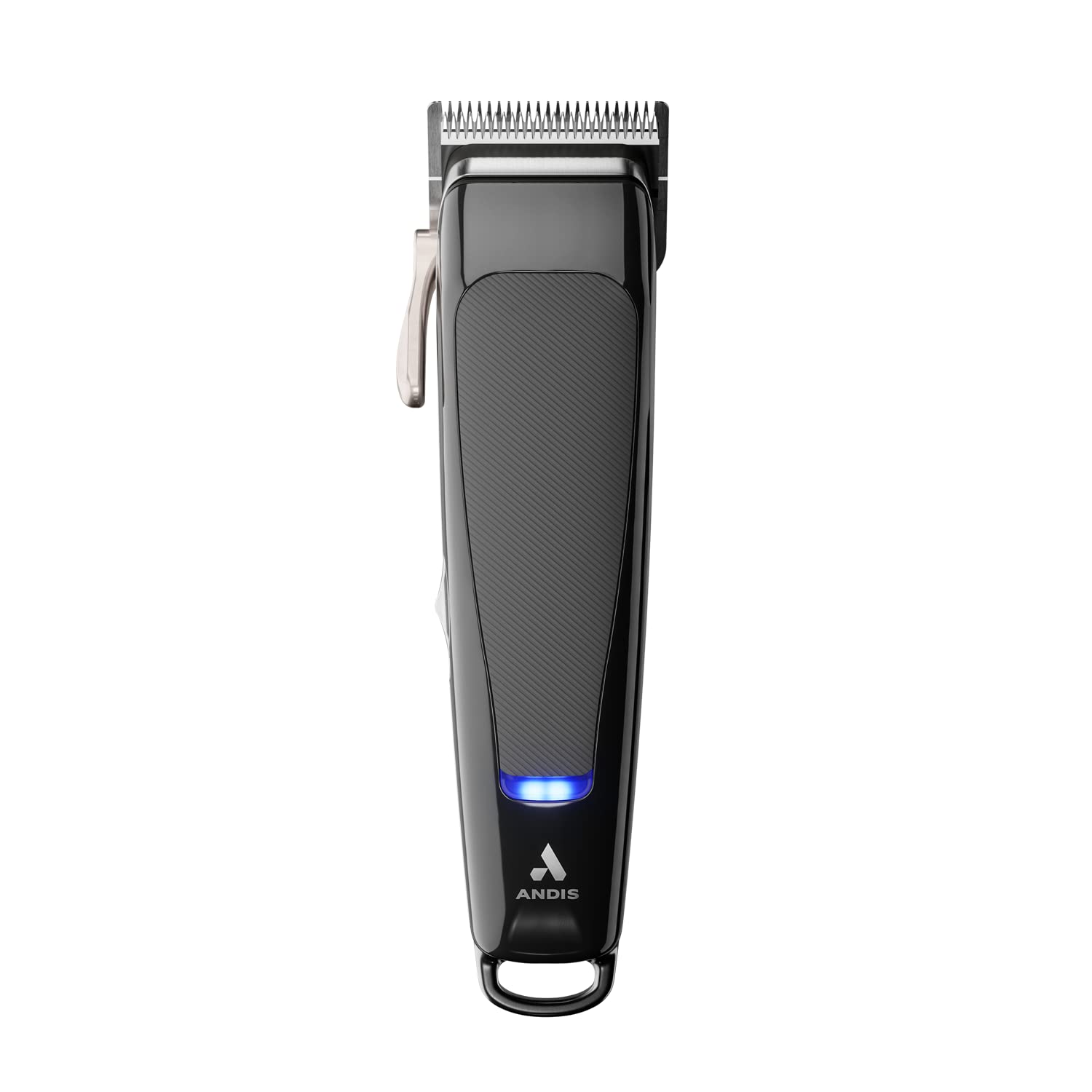
The trimmer in a barbershop is one of the most versatile and precise tools in any professional barber's arsenal. Many confuse it with the clipper, but they serve distinct and complementary purposes. If you want to know what a trimmer is used for in a barbershop, what advantages it has, how to use it and which one to choose, this article covers everything you need.
What Is a Trimmer and How Does It Work?
A trimmer — also called an outliner, edger or detailer — is a smaller machine than the traditional clipper, with a narrower blade designed for precision work. While the clipper removes large volumes of hair, the trimmer works on the details: lines, contours, outlines and delicate areas where a clipper cannot reach with the same accuracy.
Modern trimmers are generally cordless, lightweight, and fitted with stainless steel or carbon blades that cut close to the skin without pulling or irritating.
What Is a Trimmer Used for in a Barbershop: Main Uses
1. Outlining and Defining the Neckline
This is probably the most common use. The trimmer allows a clean, straight or curved line to be drawn along the nape and neck, defining the lower edge of the haircut with millimetre precision. A well-done neckline transforms a good haircut into an excellent one — and it is what clients notice most in the days after their visit.
2. Defining Sideburns
Sideburns are one of the most delicate points of any haircut. The trimmer allows them to be shaped with precision — straight, angled or custom — without the risk of removing too much from the overall cut with a clipper.
3. Outlining and Shaping the Beard
The trimmer is the ideal tool for defining beard contours: the neckline, cheek line, moustache and edges. It gives precision where razor shaving would leave an area too bare and where a clipper would remove more than needed. For detailed beard work, the trimmer is irreplaceable.
4. Cleaning Fade Lines
In fades and degradés, the trimmer is used to define and clean the lowest transition line near the temples and nape. It is perfect for the "lineup" — the entry line of the fade that gives that professional finish so characteristic of modern haircuts.
5. Working on Delicate Areas
Around the ears, above the eyebrows (when the cut calls for it), on the forehead or around scars and irregularities, the trimmer allows full control without the risk that comes with using a larger clipper in those areas.
6. Trimming the Moustache
To define the edges of the moustache, mark its upper line or achieve symmetry, the trimmer is the most precise tool available. It allows detailed work without affecting the rest of the beard or the upper lip.
7. Creating Designs and Artistic Lines
For barbers who create hair designs — letters, lines, geometric patterns — the trimmer is the primary tool. Its narrow blade and close-cutting precision make it ideal for this type of artistic work.
8. Cleaning the Nape Quickly
For fast maintenance visits or touch-ups, the trimmer allows the nape to be cleaned in minutes without needing to bring out the clipper. This speeds up the service and reduces overall appointment time.
Difference Between Trimmer and Clipper in the Barbershop
Understanding what a trimmer is used for in a barbershop means understanding how it differs from the clipper:
| Feature | Clipper | Trimmer (Outliner) |
|---|---|---|
| Main use | Cutting large volumes of hair | Outlining, defining and detailing |
| Blade width | Wider (35–45 mm) | Narrower (32–39 mm) |
| Precision | High for bulk cutting | Very high for details and contours |
| Close cutting | Limited | Optimal |
| Working areas | Full head | Neck, sideburns, beard, designs |
| In the workflow | Used first | Used last for finishing |
In practice, clipper and trimmer are complementary. The barber uses the clipper for the base cut and fade, and the trimmer to define, outline and deliver the final finish that elevates the result.
How to Use the Trimmer in the Barbershop Correctly
Technique for Neckline Work
- Rest the trimmer against the skin with the blade parallel to the neck
- Define the centre point first, then work outward with short, firm strokes
- Use the corner of the blade to adjust specific points without widening the line
- Check symmetry from behind before considering the work done
Technique for Beard Outlining
- Determine the outline boundaries before starting: neckline, cheek line, moustache contour
- Always work with a clean, sharp blade to avoid pulling
- Use short, precise strokes rather than long passes
- Compare both sides constantly to maintain symmetry
General Usage Tips
- Zero gap (blade flush to skin): for sharper lines some barbers close the blade to zero, but this requires technique to avoid skin irritation
- Skin tension: gently stretch the skin with your free hand when working on folds or curved areas
- Blade angle: varying the angle of attack produces more or less defined lines
- Lubrication: apply blade oil regularly to maintain performance and extend blade life
Best Trimmers for Barbershop Use in 2026
The market offers many options. These are the most highly regarded by professional barbers:
Andis T-Outliner
One of the most widely used trimmers in barbershops worldwide. Ultra-precise T-blade, ideal for lineups and contour work. Available in corded and cordless versions.
Wahl Detailer
Excellent for fine detail work. Adjustable blade, lightweight and ergonomically designed. Very popular among barbers who create artistic designs.
BaByliss Pro FX Trimmer
High-end option with a powerful motor and carbon steel blade. Preferred by barbers who need professional-grade long-lasting performance.
Gamma+ Absolute Hitter
Premium option with long-lasting battery and titanium blade. Ideal for barbers handling high client volume throughout the day.
Trimmer Maintenance in the Barbershop
A well-maintained trimmer lasts years and performs better:
- Clean the blade after each use: use the included brush to remove hairs and residue
- Oil regularly: 2–3 drops of blade oil per working day, or every 2–3 clients on busy days
- Align the blade: check that both blade plates are correctly aligned to avoid pulling and track marks
- Charge properly: do not fully deplete the battery on cordless trimmers — recharge at 20–30%
- Disinfect: use disinfectant spray between clients to meet professional hygiene standards
When Do You Need a Second Trimmer in the Barbershop?
With high client volume, many barbers work with two trimmers: one with the blade at its standard position and one adjusted to zero gap. This avoids wasting time changing settings during the service and allows a smooth, uninterrupted workflow. If your appointment book is full, it is an investment that pays for itself quickly.
Keeping your schedule organised to get the most out of every appointment is key. Tools like Barbería Club let you manage online bookings, send automatic reminders and reduce no-shows so that every minute in the chair counts.
Frequently Asked Questions about the Barber Trimmer
Does the trimmer replace the straight razor for outlining?
Not completely. The razor delivers a cleaner, fully flush line, but the trimmer is faster, safer for the client and requires no skin preparation beforehand. Many barbers use both depending on the service and the client's preference.
Can a full haircut be done with a trimmer only?
Yes, especially for very short or buzzcut-style cuts. But in most cases the trimmer complements the clipper — one does the body of the cut, the other the finishing detail.
How often should the trimmer blade be replaced?
With intensive daily use, a blade can last between 6 and 18 months. Signs that it needs replacement are: hair pulling instead of cutting, uneven lines or excessive vibration. Most brands sell replacement blades at affordable prices.
Corded or cordless: which trimmer is better for a barbershop?
Corded trimmers deliver constant power with no battery concerns — ideal for intensive work. Cordless trimmers give freedom of movement and are more comfortable for working around the head. Many professional barbers prefer high-end cordless models that offer the best of both.
How much does a good barber trimmer cost?
A professional entry-level trimmer costs between $30 and $60 USD. Mid-range models sit at $80–120 USD, and high-end ones exceed $150 USD. It is one of the best investment-to-result tools in the entire barbershop.
Conclusion
The trimmer in the barbershop is used for outlining the neckline and sideburns, defining the beard, cleaning fades, working on delicate areas and creating artistic designs. It is the finishing tool — the one that turns a haircut into a completed work. Without it, even the best fade remains unfinished.
Pair the right tools with efficient appointment management using Barbería Club, and take your barbershop to the level it deserves.
The clipper does the cut. The trimmer makes the difference.
Tags
Barbería Club Team
Barbería Club Team - Barbershop management experts with years of experience in the industry